Key takeaways
- If your hot rooms are the ones with the most contact with the attic, the outdoors or the garage, you may have a building air leakage problem, not an HVAC problem.
- Air leakage is not uniform. Rooms with more ceiling penetrations, rooms above garages and rooms that become depressurized pull in the most heat, and the thermostat in the hallway never sees it.
- Common pathways are recessed can lights, top plate gaps, exhaust fan housings and an unsealed attic hatch. Warm air near ceiling penetrations and persistent dust around ceiling fixtures are signs.
- Knights of the Attic tests the home’s overall air leakage, identifies the rooms and pathways that contribute most, then seals ceiling penetrations, top plate gaps and attic hatches.
Think about where the hot rooms are in your home.
Are they on the second floor? Along an exterior wall? Near the attic access? Above a can-light-filled ceiling? If the pattern points to rooms that have the most contact with the attic, the outdoors, or the garage, you may have a building air leakage problem, not an HVAC problem.
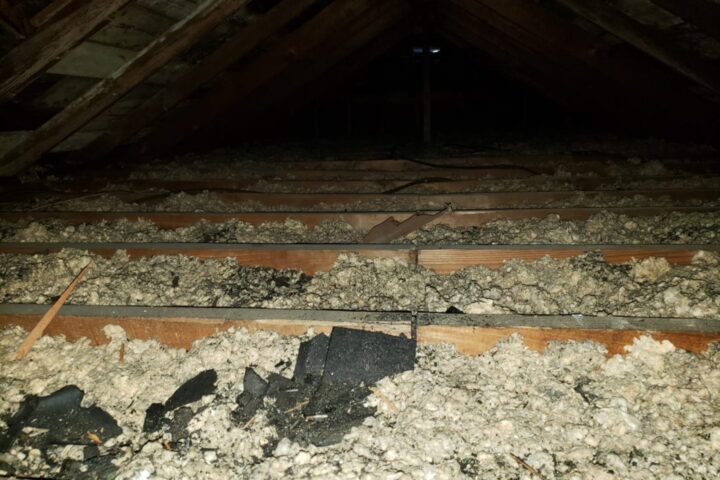
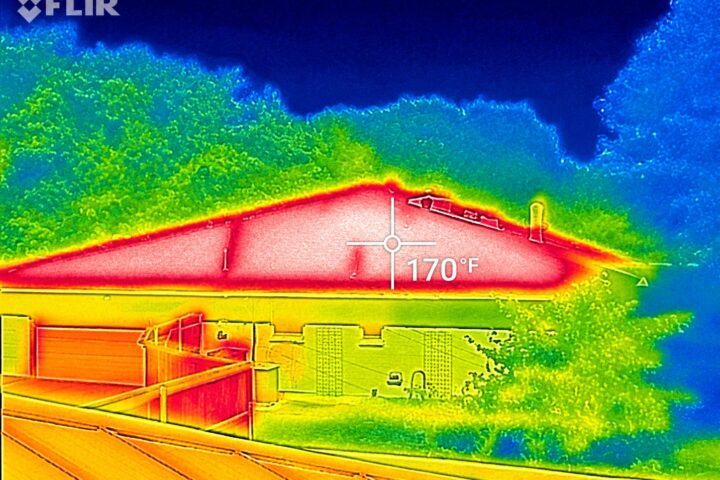
Building air leakage is the uncontrolled flow of air through cracks, gaps, and holes in your home’s shell. In the Desert Southwest, where outdoor air reaches 110°F+ and attic air exceeds 150°F, even small leaks add a focused dose of heat to the rooms where they occur. The rest of the house might feel fine. But the rooms with the most leakage pathways drift hot.
Why Leakage Creates Room-Specific Problems
Air leakage isn’t uniform. Some rooms have more ceiling penetrations (recessed lights, exhaust fans, wiring runs). Some rooms are above garages. Some are under the shallowest part of the attic where wind washing is worst. The rooms with the most leakage pathways absorb the most heat, and the thermostat, sitting in the hallway, never sees it.
Pressure also plays a role. When your AC system creates slight pressure imbalances (from duct leaks, closed doors, or exhaust fans), some rooms become depressurized. Those rooms actively pull in hot air through their leakage pathways. It’s not just that they’re leaky. The pressure difference is pulling heat in.
Common Leakage Pathways That Create Hot Rooms
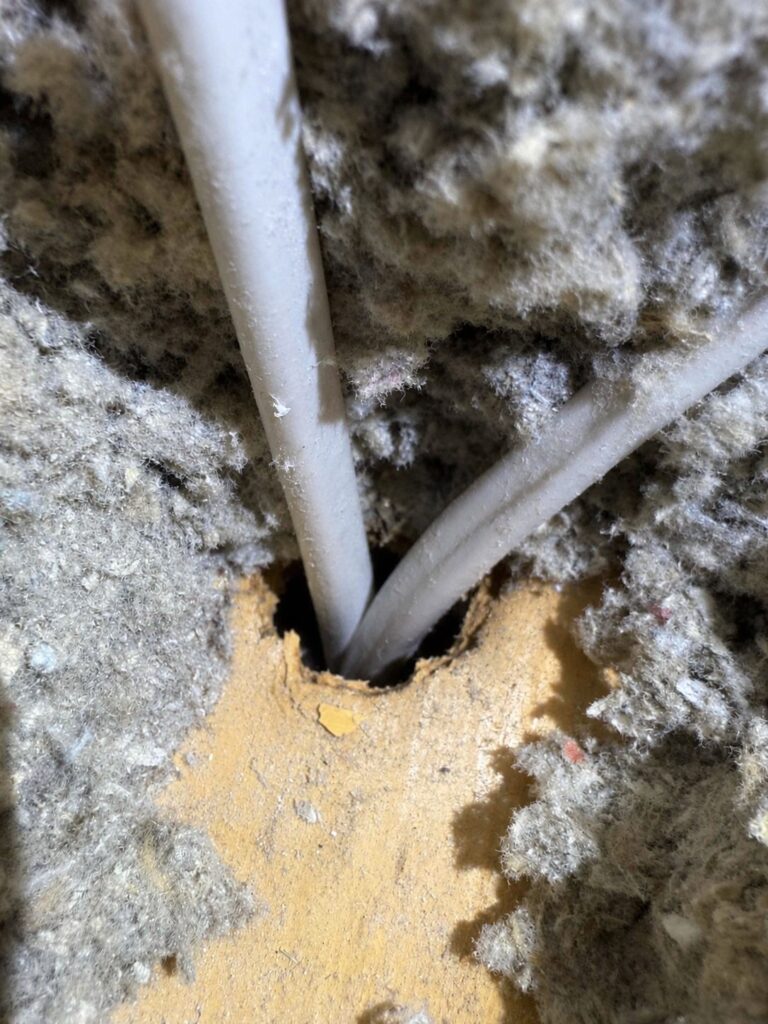
- Recessed can lights. Older cans are open cylinders connecting the room to the attic. Each one is a heat chimney.
- Top plate gaps. Perimeter rooms often have gaps where wall framing meets the ceiling, connecting wall cavities to the attic.
- Exhaust fan housings. Bath and kitchen fans cut large holes in the ceiling that may not be sealed around the housing.
- Attic access. An unsealed hatch in a bedroom ceiling is one of the largest single leakage points in many homes.
Signs of Room-Level Building Leakage
- Rooms with the most ceiling fixtures or penetrations are the hottest.
- You feel warm air near ceiling penetrations on hot afternoons.
- Persistent dust around ceiling fixtures or register edges.
- The problem room is under a vaulted ceiling, above a garage, or in a corner of the house.
Want the measurements and building science behind this? Read the technical article: Hot & Cold Rooms: Excess Building Air Leakage.
How Knights of the Attic Approaches Room-Level Leakage
We test the home’s overall air leakage and then identify which rooms and which pathways are the biggest contributors. Ceiling penetrations get sealed. Top plate gaps get closed. Attic hatches get weather-stripped and insulated. The work tackles all common sources of attic air leakage.
The result: the hot rooms lose their invisible heat source, and the whole home stays more even. If you have rooms that stay stubbornly hot despite a working AC, the ceiling above them may be the weakest link.
Solution: Click here to learn about solutions to this problem.