Technical article. Written for readers who want the building science. Prefer the short version? Browse the Homeowner Guides.
Key takeaways
- Commissioning verifies airflow, static pressure, temperature performance, refrigerant charge and controls. Without it, even high-efficiency equipment runs below its rated capacity.
- Airflow comes first. Too little airflow can ice the coil, too much weakens dehumidification, and a charge set at the wrong airflow is wrong once the airflow is corrected.
- Common errors are a default blower setting, charging by pressure alone, ignoring high static pressure in the ducts, and control or staging mistakes.
- A new or recently serviced system that still cannot hold the set point is a reason to measure, not to add refrigerant or replace equipment.
Summertime temperatures are extreme in the Desert Southwest. The HVAC systems in many homes are unable to maintain the temperature at the thermostat set point during the afternoon heat. This leads to comfort problems inside the home. If the HVAC system continues to struggle to recover after the sun goes down, the comfort problems are amplified because it becomes difficult for home occupants to sleep.
Cause: Improper System Commissioning
One cause of this problem is improper system commissioning. Commissioning is the process of verifying, adjusting, and documenting that an HVAC system is operating as designed, after installation, after major repairs, or when performance problems exist. Proper commissioning goes beyond “it blows cold.” It includes verifying airflow, static pressure, temperature performance, refrigerant charge, controls, and distribution so the equipment can deliver its rated capacity and efficiency under real conditions.¹
In many Desert Southwest homes, “can’t keep up” complaints are treated as an equipment problem. But even high-efficiency equipment cannot perform if the blower setting is incorrect, airflow is outside of design range, or refrigerant charge is wrong. Commissioning errors can leave the system operating below its intended capacity, most noticeably during peak summer afternoons.
Why Does Improper Commissioning Reduce Cooling Capacity?
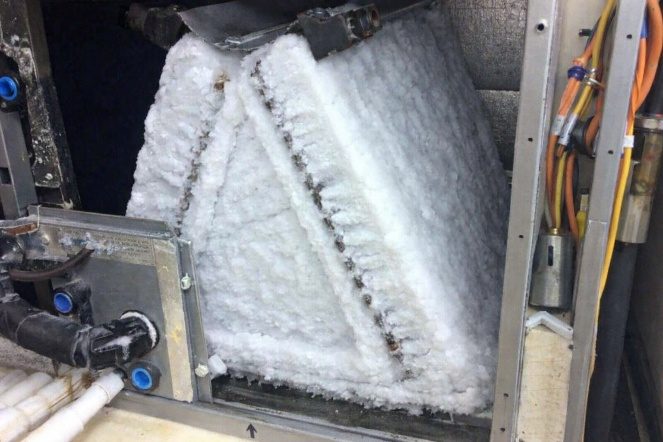
HVAC systems are engineered to operate within a specific airflow range and refrigerant operating envelope. If airflow is too low, the evaporator coil can become colder than intended, reducing heat transfer and potentially leading to coil icing. If airflow is too high, the system may deliver warmer supply air and reduce dehumidification, which can make the home feel less comfortable even at the same thermostat set point. Incorrect airflow also changes the refrigerant side operating conditions, which can make charge verification inaccurate.
Refrigerant charge is equally critical. Undercharge typically reduces cooling capacity and can increase superheat; overcharge can elevate head pressure and, in some cases, contribute to liquid refrigerant returning to the compressor (floodback), risking damage. Commissioning ensures the system is operating within the manufacturer’s specifications, especially important in extreme outdoor temperatures.
What Are the Sources of Improper System Commissioning?
Commissioning problems typically fall into a few repeatable categories.
Improper Blower Setting. Many air handlers have multiple blower speed taps or ECM programming options. If the blower is left at a default setting that does not match the equipment tonnage, duct design, or static pressure, delivered airflow (CFM) can be too low or too high. This directly affects delivered capacity and comfort.
Charging Without Verifying Airflow. Refrigerant charge should not be finalized until airflow is confirmed. If airflow is incorrect, superheat/subcooling readings can lead to a charge that is “correct” for the wrong airflow condition, and wrong once airflow is corrected.
Improper Refrigerant Charge Method. Charging by “pressure only” without using manufacturer guidance (superheat/subcooling methods, target pressures at known conditions) can result in a system that is undercharged or overcharged.
Duct System Constraints Not Accounted For. High total external static pressure (TESP) from undersized ducts, restrictive filters, or poor return paths can reduce airflow even when blower settings are correct. Commissioning must include measuring static pressure and identifying airflow restrictions before declaring the equipment “bad.”
Controls and Setup Errors. Thermostat configuration, staging settings, zoning setup, and sensor placement can all affect real-world capacity delivery. In heat pump systems, wiring or control errors can result in incorrect mode operation.
Additional Effects of Improper System Commissioning
Improper commissioning often increases utility bills because the system runs longer than necessary to meet load. It can also increase wear on the blower motor, compressor, and contactors. In severe cases, incorrect airflow and charge contribute to coil icing, compressor overheating, or liquid slugging damage. These problems can shorten equipment life and create repeat service calls that never resolve the underlying setup error.
Common Signs of Improper System Commissioning
Homeowners and technicians often see repeatable symptoms when commissioning is incomplete or incorrect:
- The system is new (or recently serviced) but still cannot maintain the thermostat set point during peak heat.
- Supply air temperature is inconsistent or warmer than expected compared to outdoor conditions.
- Evaporator coil freezes or shows signs of frosting during cooling operation.
- Excessive system noise or unusually high return/supply air velocity.
- Short cycling, long run times, or poor recovery after sunset.
- Multiple service visits focusing on refrigerant without lasting improvement.
For a plain-language overview of this condition, read the homeowner guide: Your AC Was Installed, but Was It Actually Set Up Right?
How Professionals Confirm This Condition
Commissioning requires measured verification, not assumptions.
Measure External Static Pressure and Airflow. Use a manometer to measure total external static pressure and confirm blower airflow via fan tables, manufacturer data, or direct airflow measurement methods. This identifies restrictions and confirms whether the blower setting matches the system requirements.²
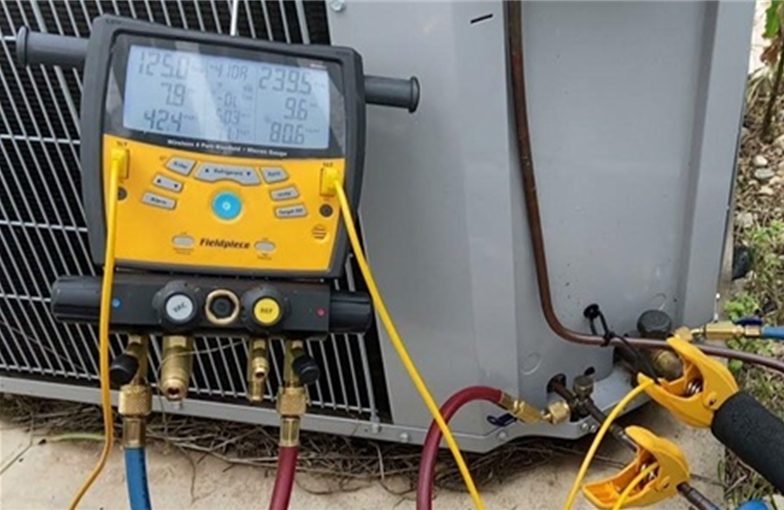
Verify Refrigerant Charge Using Manufacturer Procedure. Confirm proper metering device, line set configuration and then use superheat/subcooling targets based on manufacturer documentation and measured indoor/outdoor conditions.
Confirm Temperature Performance and Distribution. Measure temperature drop across the coil under stable conditions and confirm delivered temperature at registers. Room-by-room airflow balance may be required to eliminate hot rooms even when total airflow is adequate.
Document Results. A quality commissioning process produces a repeatable snapshot of system performance: static pressure, airflow, refrigerant metrics, temperature split, and distribution checks.
Knights of the Attic (KnightsOfTheAttic.com) finishes projects with professional commissioning (airflow balancing, temperature checks and system setup), because duct and attic improvements only matter if the system is tuned to deliver the results. Our diagnostic-first process (thermal imaging, duct pressurization testing, airflow balancing, and room-by-room load analysis) is designed to find the true constraint, correct it, and guarantee the result.³
What NOT to Do
Avoid these common mistakes when diagnosing or responding to commissioning-related performance issues:
- Do not add refrigerant “until it feels cold.” Improper charging can damage the compressor and mask airflow problems.
- Do not change blower settings without measuring static pressure and verifying airflow targets. System airflow is dependent on both static pressure and blower setting. Check static before adjusting the blower setting.
- Do not assume nameplate tonnage equals delivered capacity. Delivered capacity depends heavily on airflow, duct performance, and refrigerant charge.
- Do not treat a comfort complaint as an equipment replacement decision until the duct system and airflow constraints have been measured. Replacing equipment should be the last step in a diagnostic process, not the first.
References
- ¹ ANSI/ACCA 5 QI-2015: HVAC Quality Installation Specification: https://www.acca.org/communities/community-home/librarydocuments/viewdocument?DocumentKey=b1d2a39d-fda8-4af9-b8de-0ae579bfe24a
- ² ACCA. Residential HVAC Design/Installation concepts (Manual J, Manual S, Manual D) and field verification practices: https://www.acca.org/
- ³ Knights of the Attic. Homepage / About Us (commissioning, diagnostics-first approach): https://knightsoftheattic.com/
Solution: Click here to learn about solutions to this problem.