Technical article. Written for readers who want the building science. Prefer the short version? Browse the Homeowner Guides.

Key takeaways
- A restricted return lowers total airflow and raises total external static pressure. The coil absorbs less heat per hour, so the system runs longer to hold the setpoint and uses more energy.
- Sources stack together: undersized return trunks or filter grilles, high-MERV filters without enough filter area, dirty filters, crushed or kinked flex duct and closed bedrooms with no return path.
- Signs include long runtimes, whistling at the return grille, filters that bow inward, coil icing and repeated blower motor or capacitor failures. Static pressure and pressure drop measurements confirm it.
- Do not add refrigerant, install a higher-MERV filter, raise blower speed or replace the unit before the return restriction is fixed. New equipment on a restricted return underperforms and wears prematurely.
In the Desert Southwest, cooling costs are dominated by how long the HVAC system runs during peak season. When airflow is restricted, the equipment must run longer to move the same amount of heat, and the blower must work harder while doing it. The result is higher utility bills and increased wear on motors, controls, and compressors that can shorten equipment life.
Cause: Undersized or Restricted Return
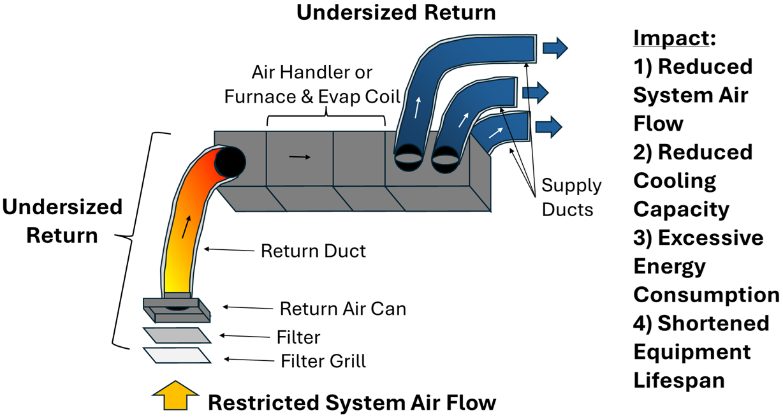
One cause of high utility bills and premature equipment wear is an undersized or restricted return air pathway. The return side is the system’s intake. If the return ducting, filter grille area, or return pathways are too small or become restricted over time, the system’s total airflow drops and total external static pressure (TESP) rises.
Why Does Undersized or Restricted Return Increase Utility Bills and Equipment Wear?
HVAC equipment is designed to deliver rated capacity at a target airflow (often around ~400 CFM per ton, depending on manufacturer requirements). When return restriction reduces airflow, the evaporator coil absorbs less heat per hour and delivered cooling capacity drops. To maintain the thermostat setpoint, the equipment must run longer, directly increasing energy consumption.¹
At the same time, restriction drives higher static pressure. Fan energy is driven by airflow and pressure (fan power increases as pressure rises and the motor works harder). Electronically commutated motors (ECMs) often increase speed to try to maintain airflow, which can increase watt draw significantly. Permanent Split Capacitor (PSC) motors typically deliver less airflow as pressure rises, which further reduces capacity and lengthens runtime.²
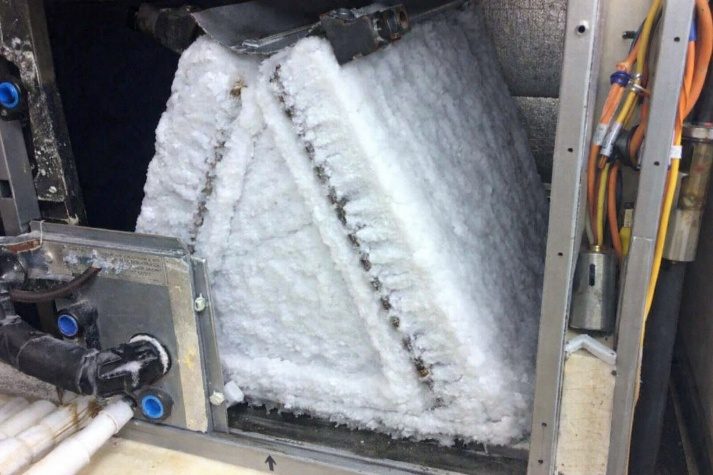
Extended runtime increases wear on compressors, contactors, capacitors, blower motors, and control boards. Severe airflow restriction can also lead to evaporator coil icing, which can cause liquid refrigerant floodback and increase compressor risk. High static pressure also increases duct leakage losses, wasting even more conditioned air.³
What Are the Sources of Undersized or Restricted Return?
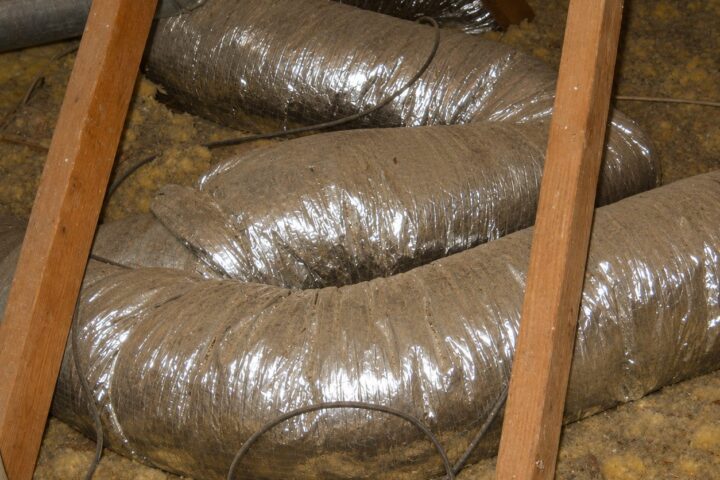
Common contributors include undersized return trunk ducts, undersized filter grilles, high-MERV filters installed without sufficient filter surface area, dirty filters, crushed or kinked flex duct, and inadequate return pathways for closed bedrooms (room pressure relief issues).²
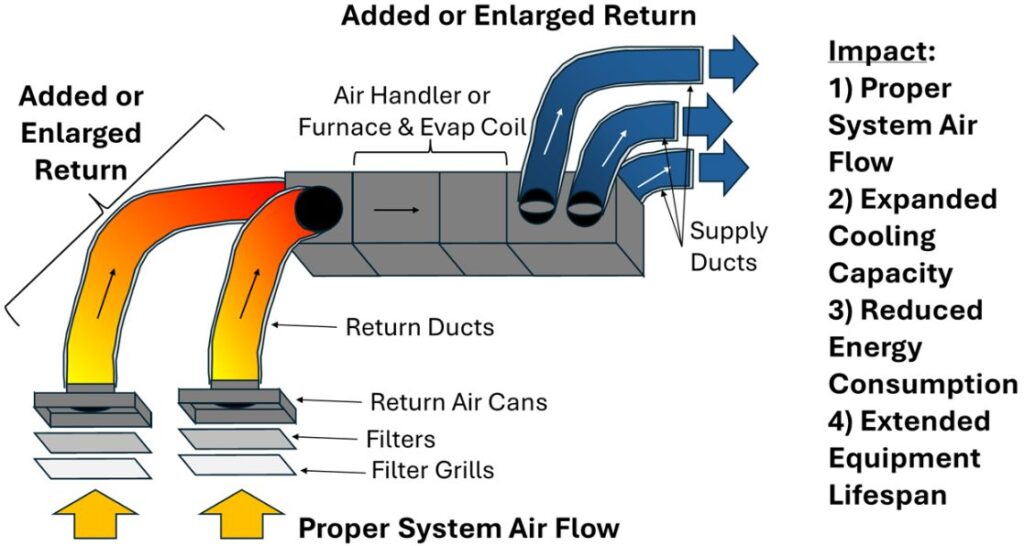
In many homes, more than one restriction stacks together. For example, a return duct that is slightly undersized may “work” with a clean MERV 8 filter, but become severely restrictive when a denser filter is installed or when doors are closed at night, raising static pressure and driving up runtime.

Additional Effects of Undersized or Restricted Return
Return restriction can increase duct leakage because higher operating pressures push/pull more air through any existing leaks. This wastes energy and can draw dusty attic air into the system downstream of filtration, accelerating evaporator coil and blower wheel contamination, reducing performance further and increasing the likelihood of costly cleaning or coil replacement.
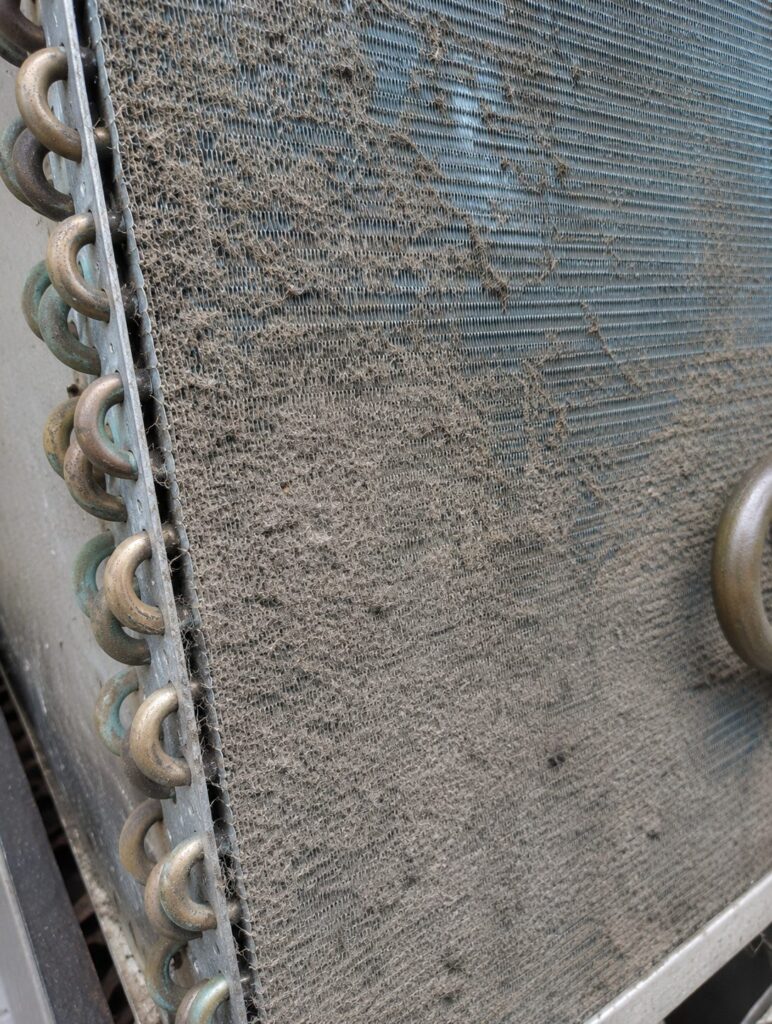
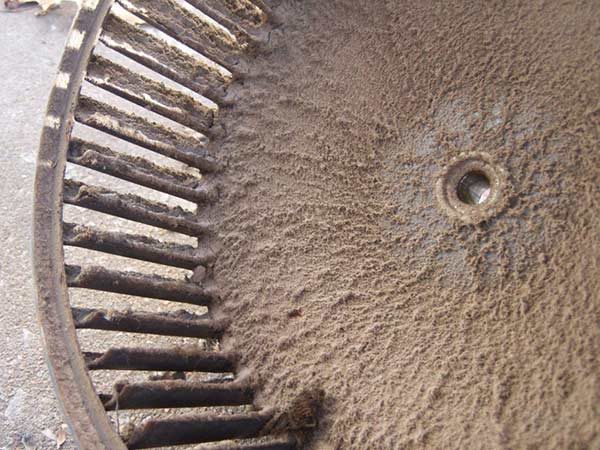
Restriction also increases noise (whistling at grilles, rushing air, cabinet vibration) and can create pressure imbalances that move interior doors. Over time, these conditions shorten blower motor life and can contribute to repeated service calls that are symptoms of a single root cause: insufficient return airflow capacity.
Common Signs of Undersized or Restricted Return
Common indicators include:
- Cooling bills higher than expected relative to home size and outdoor conditions.
- Long runtimes on hot days and slow recovery after sunset.
- Whistling/rushing noise at return grille or filter location.
- Filters bow inward or are difficult to remove due to suction.
- Blower sounds strained; ECM systems may sound like they ramp up aggressively.
- Evidence of coil icing or frequent freeze-ups in summer.
- Repeated blower motor/capacitor failures or overheating complaints.
For a plain-language overview of this condition, read the homeowner guide: Your Electric Bill Is High Because Your AC Is Suffocating.
How Professionals Confirm This Condition
Professionals confirm return restriction with measured diagnostics.
Total External Static Pressure (TESP). Measure TESP across the equipment and compare to manufacturer maximum values in the installation documentation. Operating above the rated maximum indicates restriction and increased motor stress.²
Filter and Return Pressure Drop. Measure pressure drop across the filter and across return components to identify where the restriction is occurring (filter, grille, duct, cabinet).
Duct System Measurement. Measurements of return grille, filter and duct sizing relative to system tonnage provide an accurate estimate of potential areas of airflow restriction.
Visual Inspection. Visually inspecting the duct system to look for restricted ducts and identifying blocked grilles or furniture placement helps identify sources of restricted airflow.
KOTA Workflow. Knights of the Attic typically treats this as an airflow engineering problem: measure static pressure, locate restrictions, modify return duct/grille capacity as needed, and guarantee the result in writing. Their Air Flow Services and commissioning approach are designed to ensure the system can deliver rated capacity without excessive static pressure.⁴
What NOT to Do
Avoid these common mistakes:
- Do not add refrigerant to fix a keep-up or high-bill complaint until airflow is confirmed. Low airflow can mimic charge issues.
- Do not install higher-MERV filters without verifying adequate filter grille area. Returns must be sized for an acceptable pressure drop, especially with more restrictive air filters.
- Do not “solve” restriction by permanently increasing blower speed. This can increase static pressure and motor stress if ducts/grilles remain undersized.
- Do not replace the HVAC unit unless the return restriction is fixed first. New equipment connected to restricted returns will underperform and wear prematurely.
References
- ¹ DOE Building America Solutions Center, Building Science Introduction, Air Flow: https://basc.pnnl.gov/information/building-science-introduction-air-flow
- ² DOE Building America Solutions Center. Ducted Returns: https://basc.pnnl.gov/resource-guides/ducted-returns
- ³ DOE Building America Solutions Center. Sealed and Insulated Flex Ducts: https://basc.pnnl.gov/resource-guides/sealed-and-insulated-flex-ducts
- ⁴ Knights of the Attic. Duct Services: https://knightsoftheattic.com/duct-services/
Solution: Click here to learn about solutions to this problem.