
Technical article. Written for readers who want the building science. Prefer the short version? Browse the Homeowner Guides.
Key takeaways
- Dirt on the evaporator coil blocks airflow and insulates the fins, and a loaded blower wheel moves less air, so the system can lose 20 to 35 percent of its capacity in severe cases.
- The dirt gets in through return duct leaks in a dusty attic, air bypassing the filter, low-efficiency or undersized filters, and biological growth on a wet coil.
- A contaminated coil loses humidity control first, can ice over, produces musty odors and shortens blower motor life, and the decline is gradual enough to go unnoticed for years.
- Static pressure, a look inside the air handler and a filter and duct inspection confirm it. Cleaning without fixing the bypass or the leak means the dirt comes back.
Summertime temperatures are extreme in the Desert Southwest. The HVAC systems in many homes are unable to maintain the temperature at the thermostat set point during the afternoon heat. This leads to comfort problems inside the home. If the HVAC system continues to struggle to recover after the sun goes down, the comfort problems are amplified because it becomes difficult for home occupants to sleep.
Cause: Dirty Evaporator Coil/Blower Wheel
One cause of this problem is contamination of the evaporator coil and blower wheel. When dust, dirt, or biological material accumulates on these components, both airflow and heat transfer are reduced. The system cannot deliver its rated capacity even though the compressor and condenser may be operating normally. The evaporator coil and blower wheel are the heart of the air handling system. When they are compromised, the entire system underperforms.
Why Does Dirty Evaporator Coil/Blower Wheel Reduce Cooling Capacity?
The evaporator coil is a heat exchanger. Its performance depends directly on two factors: the volume of air moving across the fin surfaces and the cleanliness of those surfaces. Dirt accumulation degrades both.¹
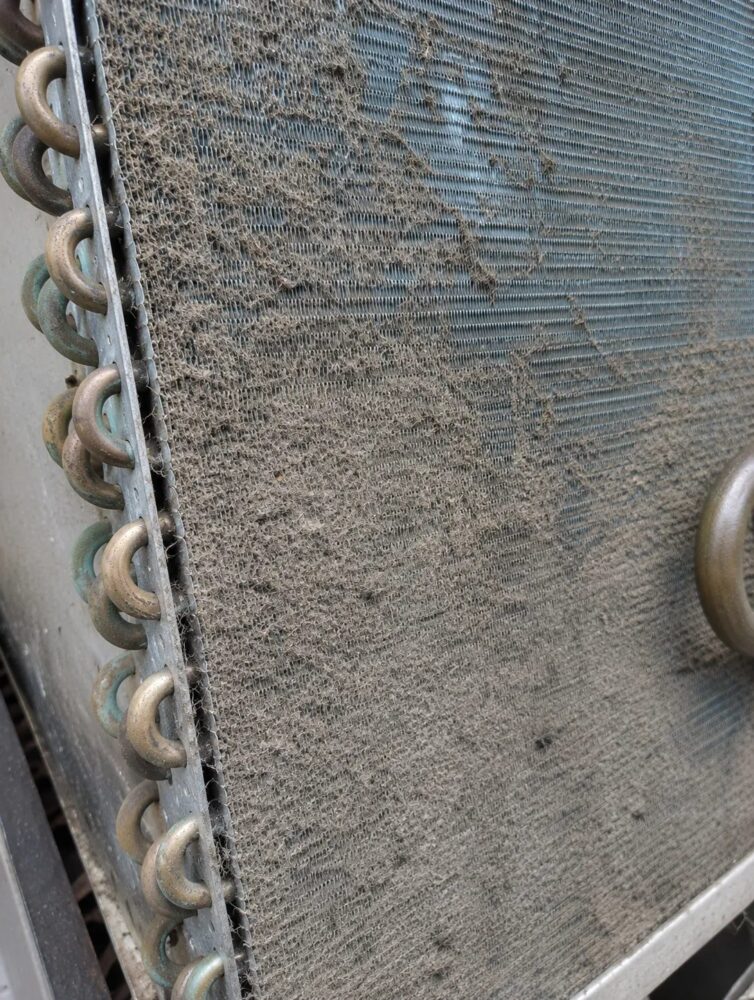
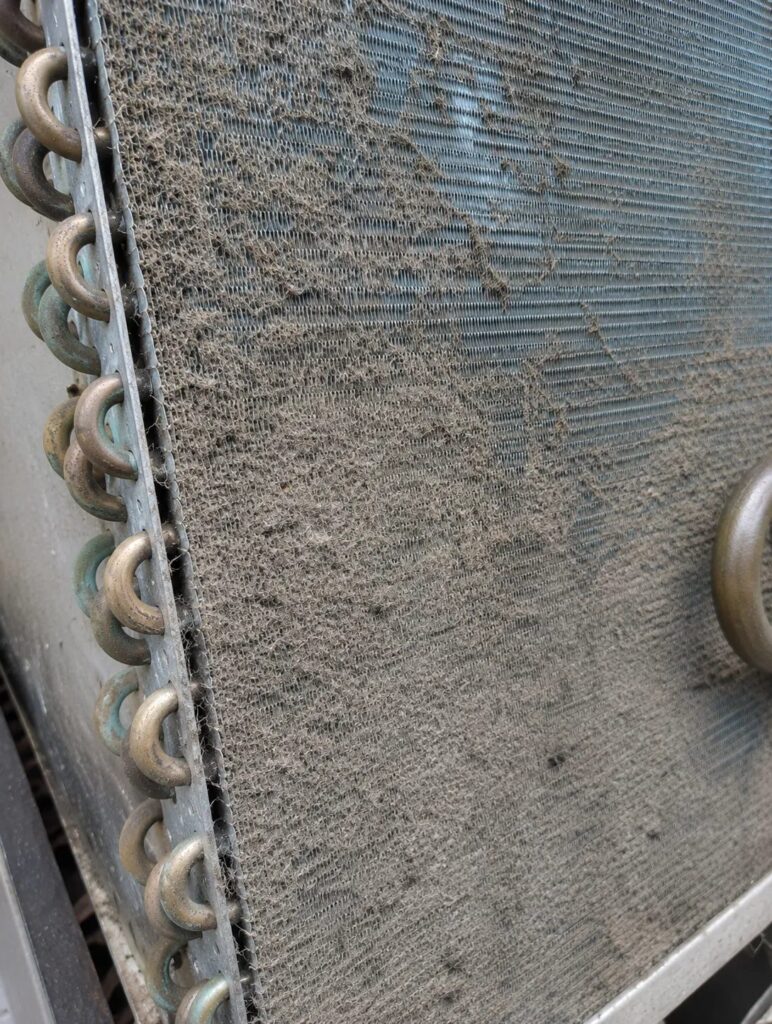
When material builds up between coil fins, it physically blocks airflow paths. The pressure drop across the coil increases, which reduces total system airflow just as any other restriction would. Significant fin blockage (for example, ~20% of fin area obstructed) can reduce airflow on the order of 10 to 15%, with corresponding capacity loss.
More significantly, dirt accumulation on coil fins acts as an insulating barrier. Heat must transfer from the air, through the contamination layer, to the coil surface, and then to the refrigerant. Even a thin layer of dust or biological growth reduces heat transfer efficiency measurably. A dirty coil can transfer substantially less heat than a clean coil at the same airflow, on the order of 10 to 25% in severe cases, meaning less cooling capacity delivered to the home.
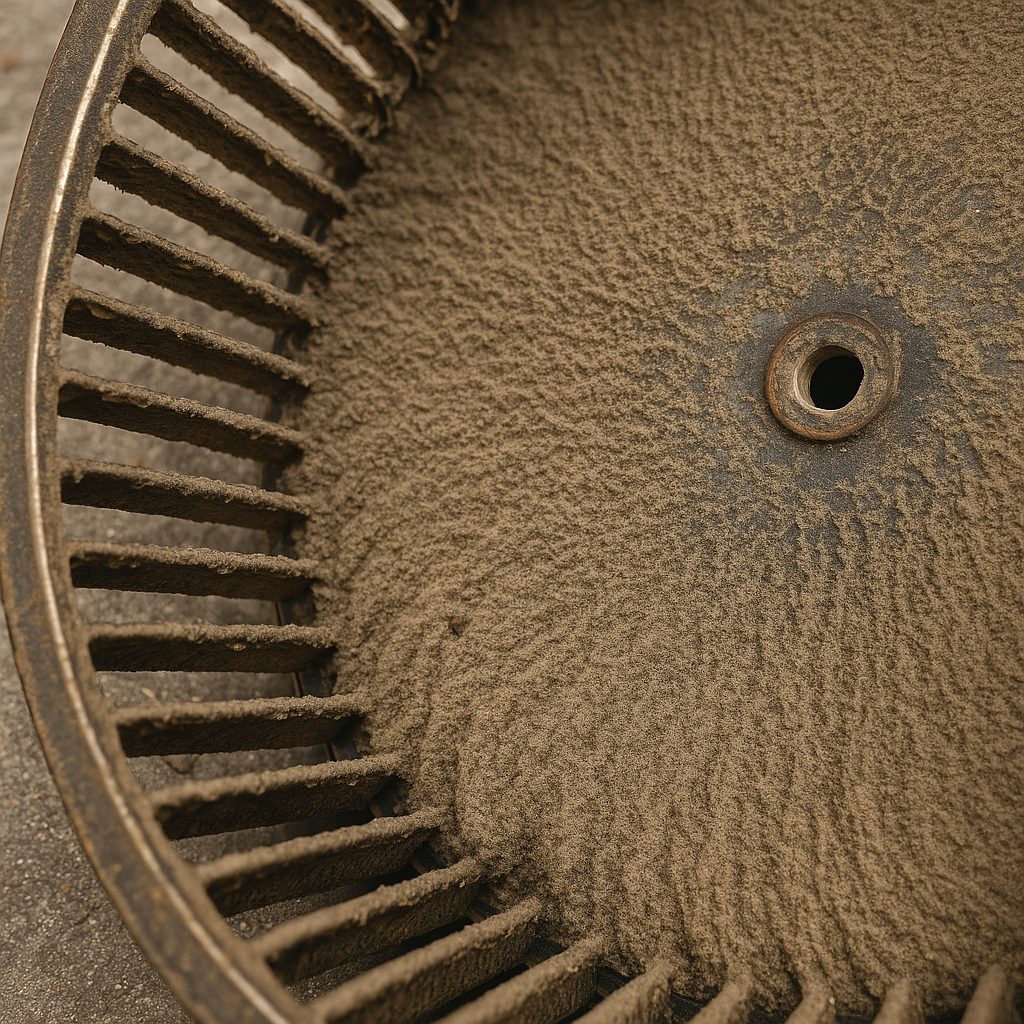
The blower wheel is equally critical. The wheel’s blades are precisely shaped to move air efficiently. Dirt accumulation changes the aerodynamic profile of the blades, reducing their effectiveness. Material accumulation also adds weight that the motor must overcome, increasing energy consumption and stress on the motor. A dirty blower wheel in a system with a dirty coil can reduce airflow on the order of 10 to 30%, depending on the severity.²
Combined, a dirty coil and dirty blower wheel significantly reduce the cooling capacity the equipment can deliver, by 20 to 35% in severe cases.
What Are the Sources of Evaporator Coil and Blower Wheel Dirt?
Dirt and dust reach these components through several pathways.
Return Duct Leakage. Leaks in return ducts located in attics pull dusty, dirty attic air into the system, downstream of the filter. This air deposits its contaminants directly on the blower wheel and coil with no opportunity for filtration. Return duct leakage is a major contributor to equipment dirt accumulation in Southwestern homes where ducts run through dusty attic environments.3

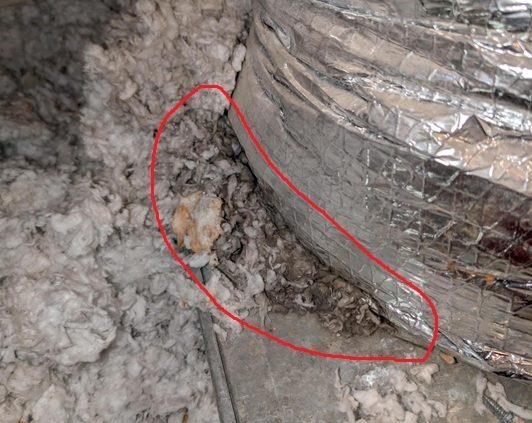
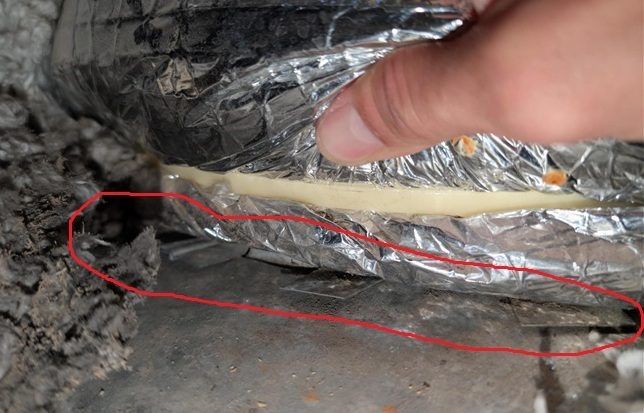
Filter Bypass. When air bypasses the filter, through gaps in the filter rack, poorly sealed access panels, or return duct leaks downstream of the filter, unfiltered air carries dust and particles directly to the coil and blower. This is the most common cause of equipment dirt accumulation. Even small gaps can allow significant bypass because the return side operates under negative pressure, actively pulling air through any available opening.4
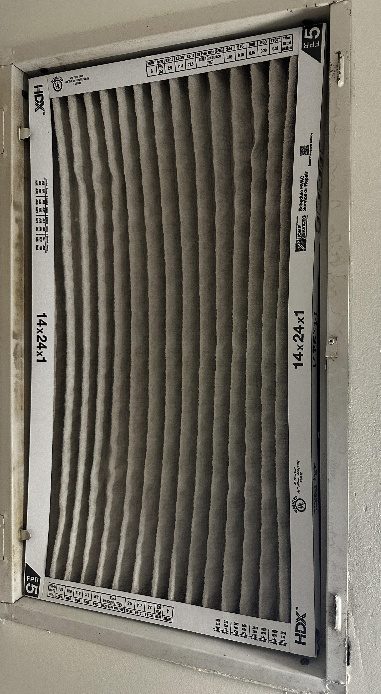
Inadequate Filtration. Low-efficiency filters (MERV 4 or lower) capture only large particles, allowing fine dust to pass through and accumulate on equipment surfaces over time. While these filters protect against large debris, they do not prevent the gradual buildup that degrades performance over years of operation.
Insufficient Filter Surface Area. When filters are undersized for system airflow, velocity through the filter increases. High velocity reduces capture efficiency and increases the likelihood of airborne particulates going through or around the filter media. The filter may appear to be working, but particles are getting through or around it.
Moisture and Biological Growth. The evaporator coil operates wet during cooling. Condensate forms as moisture is removed from the air. This moisture can support biological growth (mold, mildew, bacteria) if the coil does not dry properly between cycles or if organic material accumulates on the coil surface. Biological growth further blocks airflow and reduces heat transfer while also creating air quality concerns.
Additional Effects of Dirty Evaporator Coil/Blower Wheel
Beyond reduced capacity, coil and blower dirt accumulation creates cascading problems.
Coil contamination reduces both sensible cooling (temperature reduction) and latent cooling (moisture removal). A dirty coil may produce adequate sensible cooling under mild conditions but fail during peak demand, exactly when maximum capacity is needed. Humidity control suffers because the reduced airflow and blocked surfaces cannot remove moisture effectively.
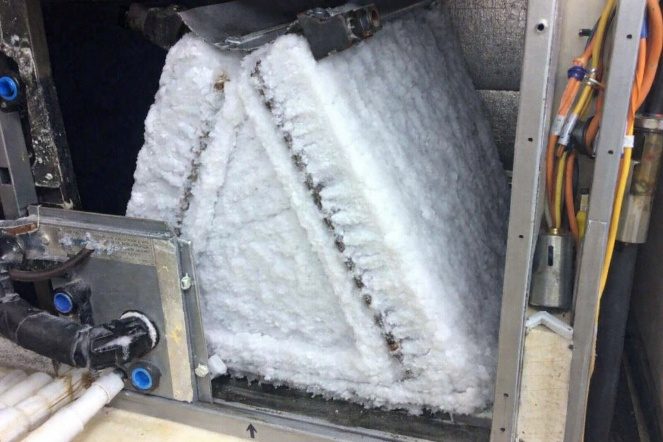
If dirt accumulation is severe enough to significantly reduce airflow, the coil may operate at temperatures below freezing, leading to ice formation. Ice further blocks airflow in a destructive feedback loop. Repeated freeze-thaw cycles stress coil joints and connections, potentially leading to refrigerant leaks that require expensive repairs.
Biological growth on the coil can produce musty odors distributed throughout the home whenever the system operates. This “dirty sock syndrome” is a common complaint that indicates biological contamination requiring professional cleaning.
The blower motor works harder to move air through a restricted coil and with a dirty blower wheel, drawing more power and generating more heat. Motor life is shortened. In systems with ECM motors, the motor increases speed to maintain airflow, which increases energy consumption significantly.
Dirt accumulates gradually, so homeowners often do not notice the declining performance until it becomes severe. A system that “worked fine last summer” may have been slowly degrading for years.
Common Signs of Dirty Evaporator Coil/Blower Wheel
Homeowners typically notice several indicators when the coil and blower are dirty:
- System runs longer than expected but struggles to reach setpoint on hot days.
- Airflow at registers feels weak throughout the home.
- Musty or moldy odor when the system starts, which may diminish after running.
- Utility bills higher than expected for the home’s size and equipment capacity.
- Ice visible on refrigerant lines or in the air handler (in severe cases).
- Gradual decline in performance over time. The system worked better in previous years.
For a plain-language overview of this condition, read the homeowner guide: The Invisible Grime That’s Stealing Your AC’s Power.
How Professionals Confirm This Condition
Professionals confirm coil and blower contamination through inspection and measurement.
Total External Static Pressure (TESP) Measurement. The primary diagnostic test is measuring Total External Static Pressure across the equipment and comparing to the manufacturer-specified blower performance table found in installation documentation. Many residential air handlers provide less airflow as external static pressure increases. Operating equipment beyond the manufacturer’s maximum allowed TESP can void the warranty of the equipment and lead to premature failure.5
Visual Inspection. The most direct confirmation is visual inspection of the evaporator coil and blower wheel. This requires opening the air handler cabinet to view these components. A flashlight and inspection mirror may be needed to see all coil surfaces. Any visible accumulation of dust, dirt, or biological growth indicates contamination affecting performance.
Filter and Duct Inspection. Inspecting the filter rack for bypass pathways and the return duct system for leakage identifies how contamination is reaching the equipment, critical information for preventing recurrence after cleaning.
At Knights of the Attic, we use each of these techniques to identify the root cause(s) of coil and blower wheel dirt accumulation in your system and design customized solutions to correct and prevent future recurrence in your system.
What NOT to Do
Certain responses to contamination problems are ineffective or counterproductive.
- Do not assume the system needs refrigerant when cooling performance decreases. A dirty coil can produce symptoms similar to low refrigerant charge (weak cooling, long runtime, poor airflow), but the solution is cleaning, not charging. Adding refrigerant to a system with a dirty coil can result in improper charge once the coil is cleaned.
- Do not clean only the visible coil face while ignoring the depth of the coil or the blower wheel. Contamination typically extends throughout the coil depth and affects all air-contact surfaces. Superficial cleaning provides temporary improvement but leaves the underlying problem.
- Do not use high-pressure water or aggressive chemicals that can damage coil fins or protective coatings. Bent fins restrict airflow; damaged coatings accelerate corrosion. Follow manufacturer guidelines or industry standards (ANSI/ACCA 6 QR) for proper cleaning methods.6
- Do not clean the equipment without addressing the source of contamination. A cleaned coil will become dirty again if filter bypass or duct leakage continues. Identify and correct the contamination pathway before or during cleaning.
References
- ¹ Online Supplemental Material Accompanying Principles of Heating, Ventilating, and Air Conditioning, Ninth Edition. Heat Exchange Equipment: https://xp20.ashrae.org/SupplementalFiles/PHVAC9/Heat_Exchange_Equipment.pdf
- ² ACCA Manual S: Residential Equipment Selection. Air Conditioning Contractors of America. https://www.acca.org/standards/manuals
- ³ Energy Star. Duct Sealing: https://www.energystar.gov/saveathome/heating-cooling/duct-sealing
- ⁴ DOE Building America Solutions Center, Building Science Introduction, Air Flow: https://basc.pnnl.gov/information/building-science-introduction-air-flow
- ⁵ Equipment manufacturer installation instructions provide temperature drop specifications for specific models at rated airflow conditions.
- ⁶ ANSI/ACCA 6 QR-2015 (RA 2021): Restoring the Cleanliness of HVAC Systems. https://www.acca.org/communities/community-home/librarydocuments/viewdocument?DocumentKey=b0d7da58-e516-4af6-bf03-0e474d27081d
Solution: Click here to learn about solutions to this problem.


