Key takeaways
- When dust, debris and biological grime coat the evaporator coil and blower wheel, airflow and heat transfer both drop. The system delivers less cooling per minute, so it runs more minutes.
- The costs stack up: higher electric bills, a coil that can freeze, liquid refrigerant sent back to the compressor, and corrosion that shortens coil life.
- Signs include electric bills that have crept up over the past few years, a system that does not cool as well as it used to, coil icing or compressor issues, and a musty smell from the vents.
- Cleaning is only part of the fix. The contamination pathway has to be identified and sealed so the problem does not come back.
When dust, debris, and biological grime coat your evaporator coil and blower wheel, two things happen simultaneously: airflow drops and heat transfer drops. Your system delivers less cooling per minute, so it runs more minutes. And every minute it runs, it consumes more energy because the blower is fighting through contaminated passages.
It’s the HVAC equivalent of a clogged artery. The heart works harder, pumps longer, and wears out faster, while delivering less blood.
The Cost Spiral
- Higher electric bills. Reduced capacity forces longer runtime. Contaminated blower blades require more motor watts to move less air. Both drive up your monthly bill.
- Coil freezing risk. Low airflow from contamination can freeze the evaporator coil. Freeze-thaw cycles damage joints and can cause refrigerant leaks, an expensive repair.
- Compressor risk. A frozen coil can send liquid refrigerant back to the compressor. Compressor replacement is often $2,000 to $4,000+ in parts and labor.
- Accelerated corrosion. Contamination on a wet coil promotes corrosion that shortens coil life, potentially requiring a full coil replacement.
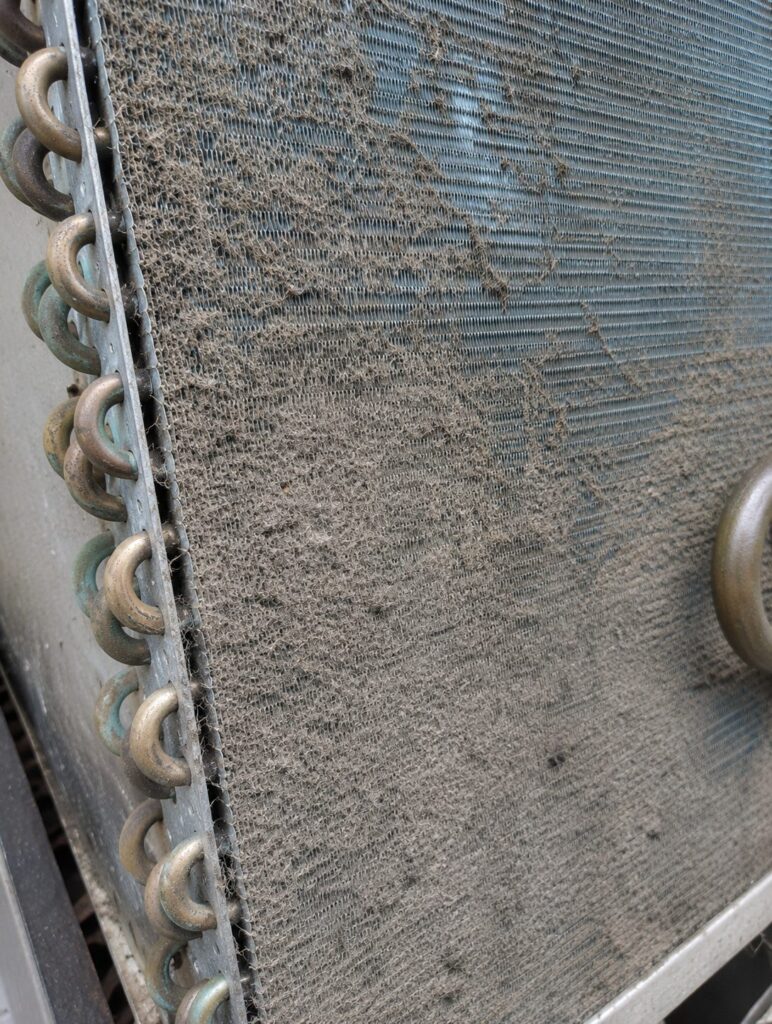
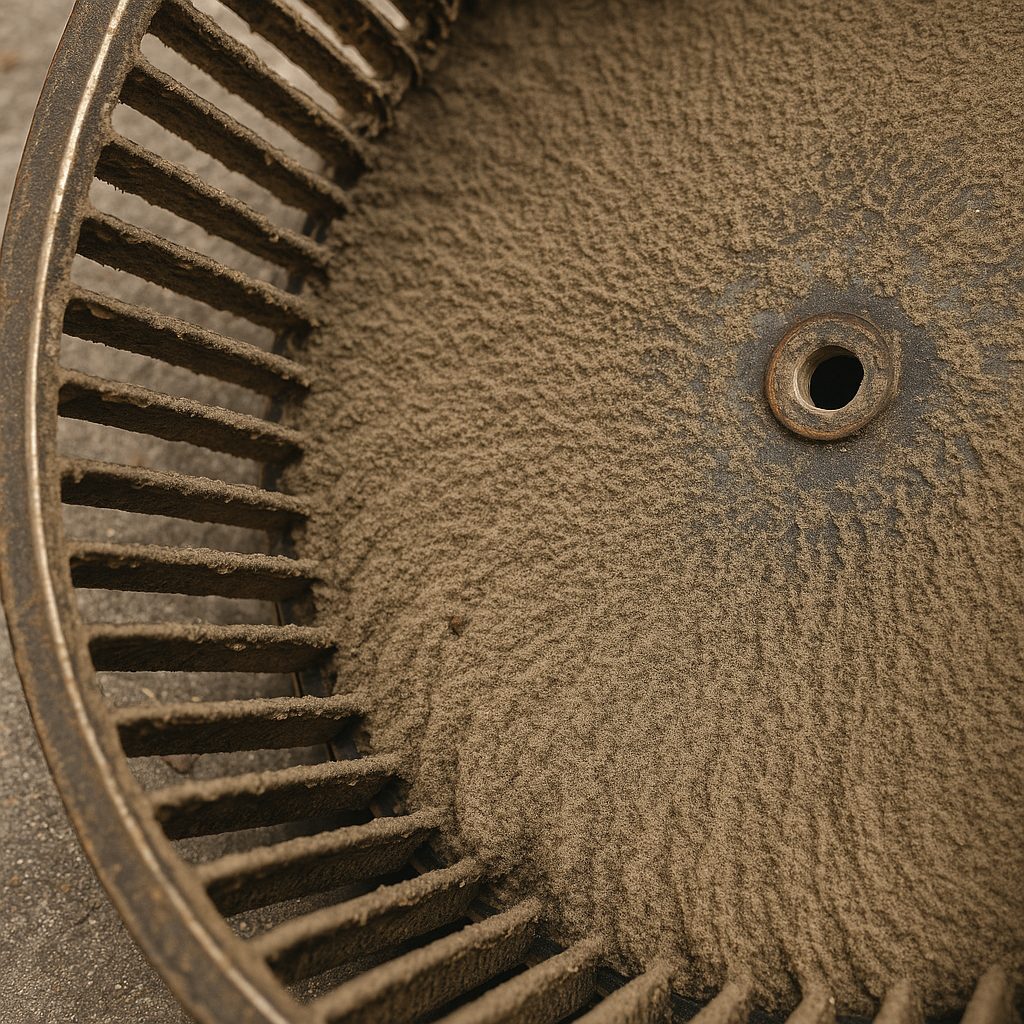
Signs Dirty Equipment Is Costing You
- Electric bills have crept up over the past few years.
- The system doesn’t cool as well as it used to.
- You’ve had coil icing or compressor issues.
- Musty smell from vents.
Want the measurements and building science behind this? Read the technical article: High Utility Bills & Premature Equipment Failure: Dirty Evaporator Coil and Blower Wheel.
How Knights of the Attic Breaks the Cycle
We inspect the coil and blower directly, measure the airflow and static pressure impact, clean or recommend replacement based on severity, and, critically, identify and seal the contamination pathway so the problem doesn’t come back. A clean coil with a sealed filter pathway means less runtime, lower bills, and a system that lasts.
If your bills are rising and your system is aging faster than expected, the grime inside your air handler may be the hidden driver.
Solution: Click here to learn about solutions to this problem.