Indoor Air Quality · Phoenix Metro · Source First
Indoor Air Quality Starts Where Your Air Comes From. We Find What’s Getting In, and Fix It at the Source.
Dust that comes right back, a stale or “attic” smell when the system runs, rooms that never feel fresh. In many Arizona homes the cause is attic air riding into the living space through leaking ducts and unsealed gaps. Knights of the Attic inspects your ducts, attic, airflow, and air leakage first, then recommends only what the findings support.


Sound Familiar?
Signs the Air in Your Home Is Picking Something Up on the Way
Poor indoor air quality rarely announces itself. It shows up as small, stubborn signs that keep coming back no matter how often you clean or change the filter.
Dust That Comes Right Back
You dust, and within a day or two the furniture is coated again. Air pulled in from the attic can carry dust to every room the system serves.
An “Attic” Smell When the Blower Runs
A stale, dusty, or musty odor that shows up when the air kicks on often means attic air is riding the airstream into the house.
Dark Streaks at Vents or the Attic Hatch
Air squeezing through a gap drags dust with it and leaves a mark around registers, ceiling edges, and the attic access.
Filters That Load Up Fast
If a new filter turns gray long before it should, something is feeding the system more dust than your rooms alone produce.
Rooms That Never Feel Fresh
Stuffy, heavy-feeling rooms can point to air being pulled from places it shouldn’t come from, or to pressure problems in the house.
Garage or Attic Odors Indoors
Fumes or odors that belong in the garage or the attic keep finding their way into the living space.
Each of these points to a source, not just a symptom. To find it, you have to follow the air through the system that moves it.
Follow the Air
Your Air Travels in a Loop. Every Stop Is a Chance to Pick Something Up.
Your system pulls air out of your rooms, runs it through a filter and the air handler, and pushes it back out through the ducts. The return side pulls. The supply side pushes. Wherever that loop has a gap, it can pull in attic air on the way back or push your cooled air into the attic on the way out. Select a stop to see what can happen there.
Diagram of a home cross-section. Air leaves the rooms through a return grille with a filter, travels through a return duct in the attic to the air handler, and is pushed back out through supply ducts to the registers in each room. A gap in the return duct, past the filter, pulls attic air and dust into the airstream, which is delivered to the rooms. A gap in the supply duct pushes cooled air into the attic. A gap at a wall top plate lets attic air seep into the rooms directly.
Stop 1 of 5
Your Rooms
Every time the system runs, it pulls air out of your rooms and sends it back to be cooled. That air should be the only thing the system breathes in.
- What can go wrong
- When the return side can’t pull enough air from the rooms, it pulls from wherever it can: the attic, the walls, or the garage.
- How we check it
- Airflow and room pressure, room by room.
Stop 2 of 5
The Return Side
The return duct is under suction. A gap, tear, or loose connection here doesn’t leak air out. It pulls hot, dusty attic air in, along with insulation fibers.
- What can go wrong
- Attic air joins the airstream after the filter, so it never gets filtered at all.
- How we check it
- Every accessible return run, joint, and connection, photographed.
Stop 3 of 5
The Filter and Air Handler
A filter only cleans the air that passes through it. Air that slips in past the filter, or around a poorly sealed grille, goes straight to the blower.
- What can go wrong
- An undersized or leaky return grille and filter can let dust bypass the filter entirely.
- How we check it
- The filter location, fit, and return grille sizing.
Stop 4 of 5
The Supply Ducts
The supply side is under pressure. Gaps, tears, and detached connections here push the air you paid to cool into the attic before it ever reaches a register.
- What can go wrong
- Air pushed out has to be replaced, so the house can end up pulling attic air back in through every gap it can find.
- How we check it
- Supply runs, joints, boots, plenums, and the condition of each duct liner.
Stop 5 of 5
Back to Every Room
Whatever the air picked up along the way is delivered to every register the system serves. And gaps at wall top plates and ceiling penetrations let attic air seep in directly, even when the system is off.
- What can go wrong
- The dust you see on your furniture may have started its trip in the attic.
- How we check it
- Top plates, penetrations, bypasses, and the attic’s overall air sealing.
Where It Gets In
Six Places Attic Air and Dust Find Their Way Into Your Home
In most Arizona homes the ducts and the air handler live in the attic, the hottest and dustiest space in the house. These are the entry points we look for first.
Attic cutaway · Illustrative
Tap a problem area, or a number on the map, to highlight it
-
Gaps, tears, and loose connections on the return side sit under suction. They pull hot, dusty attic air straight into the system, after the filter.
How we check it: every accessible return run and connection. -
Years of attic heat crack and tear the outer jacket of flex duct, exposing the insulation and opening new paths for attic air and insulation fibers.
How we check it: the jacket, insulation, and liner of each run. -
A run that has slipped off its collar pours cooled air into the attic. The house then has to replace that air, and it pulls it from wherever it can.
How we check it: every joint, collar, boot, and plenum. -
Unsealed gaps where register boots, can lights, wiring, and plumbing pass through the ceiling let attic air into the rooms below.
How we check it: boots and penetrations, from the attic side. -
Gaps along the tops of interior walls and other open bypasses let attic air seep into the living space, even when the system is off.
How we check it: top plates, bypasses, and the attic hatch. -
An undersized or poorly sealed return grille and filter can let dust slip around the filter instead of through it.
How we check it: grille and filter sizing, fit, and seal.
The garage counts too. Where a garage shares walls or a ceiling with the house, the same kinds of gaps can let garage fumes follow the air into your living space.
The Free Duct & Attic Assessment
Indoor Air Quality Testing That Starts at the Source
Most indoor air quality advice starts with a product. Ours starts with a question: where is this air coming from? The Free Duct & Attic Assessment traces the source first, including duct leakage, return pathways, attic bypasses, and airflow. When it helps, we can also test the quality of the air itself, so the recommendation is based on what is actually in your home, not on a guess.

- Return side and return pathways
- Supply runs, joints, boots, and plenums
- Duct jacket, insulation, and liner condition
- Attic top plates, penetrations, and bypasses
- Filter and return grille sizing
- Airflow and room pressure
- Air quality readings, photos, and thermal images
You get a plain-language breakdown of where your air is picking things up and what should be corrected first, before you spend a dollar. If you move forward, we make the correction and then re-test the result, so the fix is proven rather than promised.
Why the Order Matters
Source Control First. Then Filtration, Treatment, and Dilution.
It is tempting to start with a better filter or an air purifier. But a filter can’t clean air that never passes through it, and a purifier has to work against every gap still letting attic air in. That is why we correct indoor air quality in this order. Select each step to see what it changes.
Illustrative, not to scale
Illustrative diagram of air traveling from the rooms, through a filter, through a return duct in the attic, into the air handler, and out to a room. As found, gaps in the return duct pull attic dust in after the filter and the room is hazy. Step 1, source control, seals the gaps and stops the attic dust. Step 2, filtration, upgrades to a deep pleat filter so it catches everyday dust circulating from the rooms. Step 3, treatment, adds PuriFi air purification. Step 4, dilution, adds a filtered fresh air intake, and the room is clearest.
As Found
Attic Air Gets In Past the Filter
Gaps in the return duct sit under suction and pull attic dust into the airstream after the filter. A standard filter catches some of what comes from your rooms, and none of what comes from the attic.
Step 1 · Source Control
Stop It Getting In
Sealing the ducts and the attic stops contaminated air at the source, so the system only breathes the air from your rooms. Every other step depends on this one.
- Insulated Duct Armor™
- Aeroseal
- Insulated Attic Armor™
Step 2 · Filtration
Catch What’s Still Circulating
With the leaks sealed, all of the air passes through the filter, so a deep pleat filter can finally do its job on the everyday dust circulating through your home.
- Deep Pleat Filtration
Step 3 · Treatment
Treat What’s Left in the Air
Air purification works on the finer particles and contaminants still in the air of your home, once there is no longer a steady supply coming in from the attic.
- PuriFi Air Purification
Step 4 · Dilution
Bring In Filtered Fresh Air
Last, fresh air ventilation brings outdoor air in through a filter, so stale indoor air is diluted instead of simply recirculated.
- Fresh Air Ventilation
How We Improve Indoor Air Quality
The Right Fix Depends on What We Find. The Order Doesn’t.
Every recommendation comes from the assessment, so no two homes get the same plan. What stays the same is the sequence. Adding a product before the source is fixed often means paying to clean air that keeps getting dirty again.
-
Step 1 · Source Control
Stop Attic Air From Getting In
The most effective way to improve indoor air quality is to keep contaminated air out of the system and out of the living space in the first place.
Option 1 · Best Insulated Duct Armor™
Our proprietary system seals, insulates, and protects your ductwork at the source, reducing the duct leakage that can pull dust and attic contaminants into your home. No full duct replacement required.
Option 2 · Next Best Aeroseal
Seals leaks from the inside of the duct system, with the leakage reduction verified by testing.
Option 3 Insulated Attic Armor™
Seals the wall top plates and the plumbing, electrical, and HVAC penetrations where attic air seeps into the living space, even when the system is off.
When ducts have already failed, with torn liners, detached runs, or collapsed sections, those sections are repaired or replaced first. Sealing is for ducts that are still sound.
-
Step 2 · Filtration
Catch What’s Circulating
Once the system only breathes the air from your rooms, better filtration can do its job on what is already inside.
Our Filtration Upgrade Deep Pleat Filtration
A deep pleated filter gives your air more filter media to pass through than a standard 1-inch filter. That means more capacity to hold the everyday dust your system collects, and a longer life between changes.
- More filter surface area than a standard 1-inch filter
- Longer filter life, with fewer changes to keep up with
- A simpler, more affordable upgrade than HEPA filtration
- Matched to your return grille and system, so better filtration doesn’t choke your airflow
HEPA filtration is also available for homes that call for it.
-
Step 3 · Treatment
Treat What’s Left in the Air
Filtration catches what passes through the filter. Treatment works on the finer particles and contaminants that are still in the air.
Air Purification PuriFi Air Purification
Uses patented ionization technology to help clump fine particles together so your filter can capture them, and actively treats contaminants in the air.
-
Step 4 · Dilution
Bring In Filtered Fresh Air
The last step replaces stale indoor air with filtered fresh air, diluting what is left instead of recirculating it.
Ventilation Fresh Air Ventilation
Brings outdoor air into your home through a filter, diluting stale indoor air and giving the house a controlled source of fresh make-up air instead of whatever it can pull through attic and garage gaps.
Not every home needs every step. The assessment shows which ones yours actually needs, and in what order.
Source Control · Our Best Solution
The Best Way to Stop Your Ducts From Pulling In Attic Air.
In most Arizona homes the duct system runs through the attic, so every leak in it is a direct line to attic dust and heat. Insulated Duct Armor™ seals, insulates, and protects the duct system in place, reducing the leakage that can pull dust and attic contaminants into your home, without a full duct replacement. It is one possible recommendation, and the inspection decides whether it is the right one for your home.
- Seals vulnerable duct gaps and connections
- Reduces the leakage that can pull attic dust into your home
- Adds a protective insulating barrier against extreme attic heat
- Built for a 50+ year lifespan
Good Questions
Indoor Air Quality Questions Homeowners Ask Us
Yes. The full duct and attic inspection, room-by-room airflow testing, photos and thermal images, findings review, and any recommendations are free, with no obligation. You decide what, if anything, happens next.
Yes. The assessment focuses first on finding the source: duct leakage, return-side problems, attic bypasses, and airflow, because that is often where the problem starts. When it helps, we can also test the quality of the air itself. Either way, the recommendation follows what we actually find in your home.
Often, the attic. Gaps and tears on the return side of the duct system sit under suction, so every time the system runs it can pull unfiltered attic air, with its dust and insulation fibers, into your home, bypassing the filter entirely. Gaps at wall top plates and ceiling penetrations can add more. The assessment traces it to the specific gap and documents it with photos.
It can help, but usually not on its own. A filter only cleans the air that passes through it, and attic air that enters through a duct leak after the filter never does. That is why we fix the source first, then improve filtration, and then add air purification if your home still needs it.
Duct leakage happens in the duct system itself: gaps, tears, and loose connections that pull attic air in on the return side or push cooled air out on the supply side. Attic air leakage happens in the attic floor: gaps at wall top plates, ceiling penetrations, and other bypasses that let attic air into the living space even when the system is off. Many homes have both, and the assessment checks for each.
Insulated Duct Armor™ is our proprietary solution for sealing, insulating, and protecting attic ductwork. For indoor air quality, it matters because it reduces the duct leakage that can pull dust and attic contaminants into your home. It is our first choice for source control when the ducts are still sound, and we recommend it only when the inspection shows it fits.
Aeroseal seals duct leaks from the inside of the system, and the leakage reduction is verified by testing. When source control is needed, Insulated Duct Armor™ is our first choice and Aeroseal is the next best option. The assessment decides which one fits your ducts.
PuriFi is an air purification system that uses patented ionization technology to help clump fine particles together so your filter can capture them, and to actively treat contaminants in the air. We recommend it as the last step, after the source is sealed and the filtration is right.
We don’t sell or service the heating and cooling equipment itself, such as the blower, compressor, or condenser. We diagnose and correct the delivery system (ductwork, airflow, insulation, and air sealing) and offer filtration and air purification upgrades that work with your existing system. If your equipment needs attention, we work closely with professional HVAC contractors who can help.
We inspect the duct system and attic, test airflow and room pressure, check the return side and filtration, and photograph every area of concern, including thermal images of key sections. Typical assessments take around 1.5 to 2 hours, and we ask that the homeowner be present at arrival and for the findings review.
Real Homeowners
What Valley Homeowners Say
Reviews from homeowners we’ve helped across Arizona, pulled live from Google.


Proudly Local
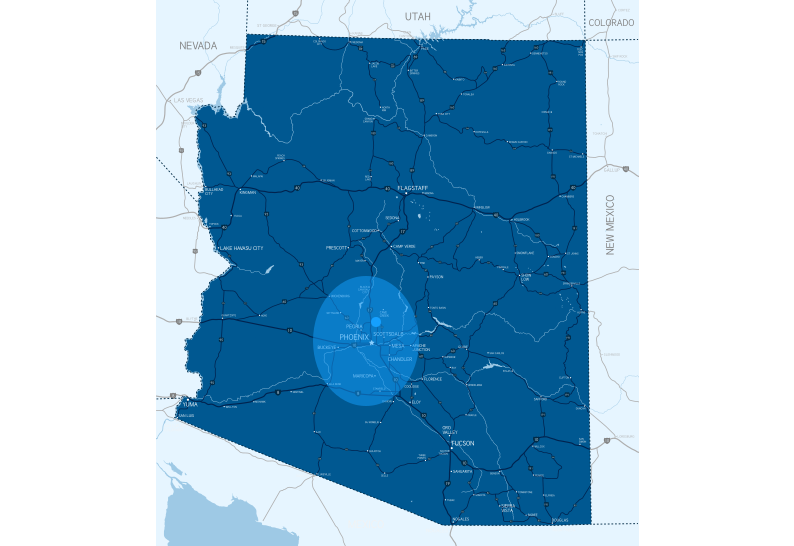
Indoor Air Quality Services Across the Phoenix Metro
Knights of the Attic helps homeowners throughout the Phoenix metro and the surrounding Arizona communities below find out what is getting into the air inside their homes, and fix it at the source.
- Scottsdale
- Phoenix
- Mesa
- Tempe
- Gilbert
- Peoria
- Chandler
- Apache Junction
- Avondale
- Buckeye
- Carefree
- Cave Creek
- El Mirage
- Fountain Hills
- Gila Bend
- Glendale
- Goodyear
- Guadalupe
- Litchfield Park
- Maricopa
- Paradise Valley
- Queen Creek
- Surprise
- Tolleson
- Wickenburg
- Youngtown
Not sure whether we serve your home? Call (602) 675-6827 and we’ll be happy to assist.
Your Next Step
Find Out What’s Getting Into Your Air Before You Buy Anything to Clean It.
Schedule the free Duct & Attic Assessment. We’ll trace where your air comes from, show you the evidence, and recommend the fix in the right order: source control first, then filtration, then air purification only if your home needs it.
Free assessment · No obligation · Knights of the Attic does not sell or service HVAC equipment. We specialize in the duct and attic delivery system between the equipment and your rooms.